By Sam Whitfield · Last updated July 2026
This page contains affiliate links. If you buy through a link here, we may earn a commission at no extra cost to you. See our Affiliate Disclosure for details.
Why Dogs Bark
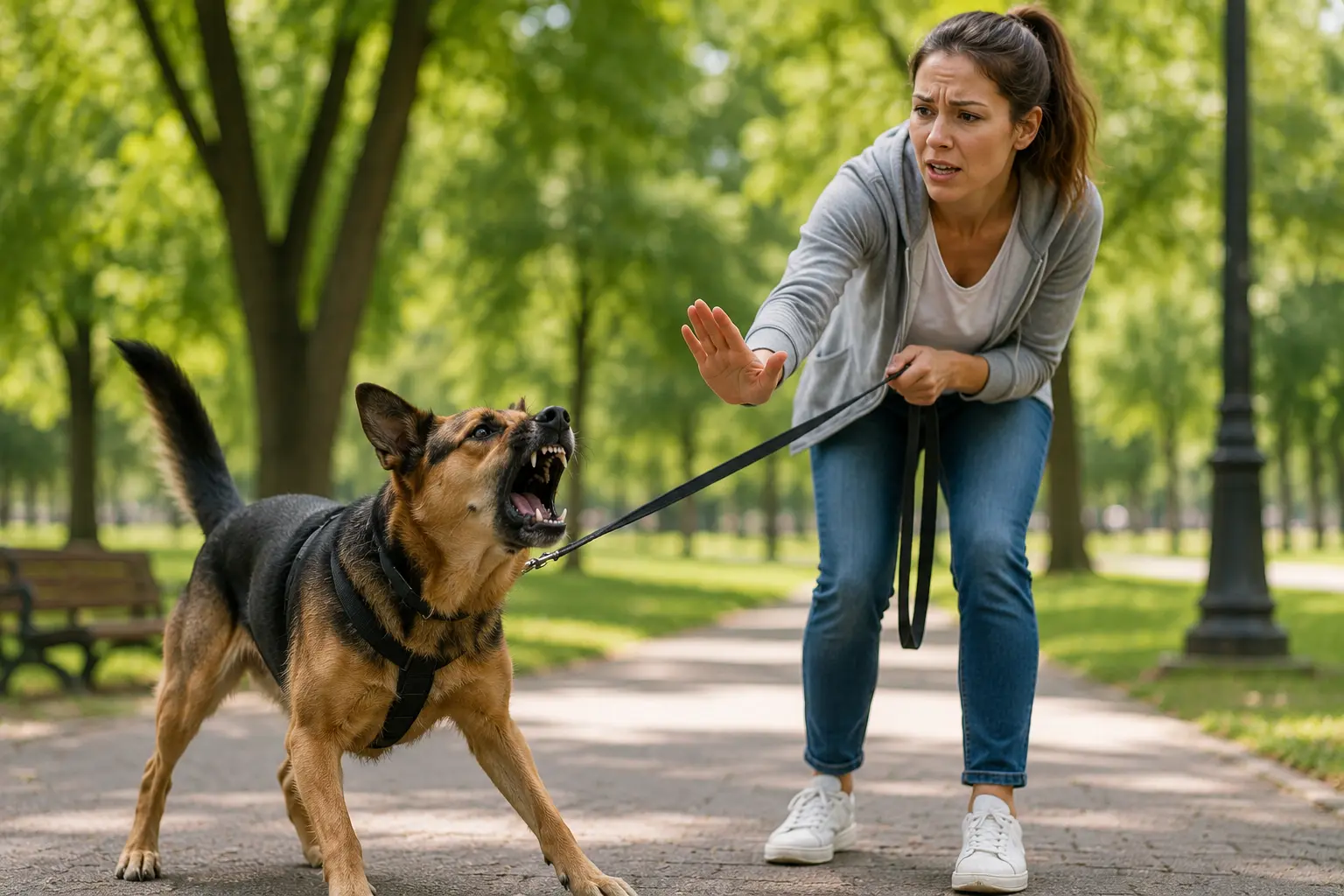
Barking is normal dog behaviour. Dogs may bark because they are excited, bored, worried, protective, frustrated, or trying to get attention.
Not all barking means the same thing, and telling the types apart makes it much easier to respond well. A sharp, repeated bark at the window is often alarm barking. A higher-pitched, insistent bark aimed at you is usually attention-seeking. A low, sustained bark paired with a stiff body often signals worry or over-arousal rather than excitement. The goal isn't to eliminate barking completely — it's a normal way dogs communicate — but to reduce it in the situations where it's become excessive.
Start With The Trigger
Before trying to stop barking, look at what happens right before it starts. Common triggers include people walking past, doorbells, other dogs, visitors, boredom, or being left alone.
A simple way to find the pattern: for two or three days, jot down when the barking happens, what was going on right before it, and roughly how long it lasted. Most owners are surprised how quickly a pattern shows up — often the same time of day, the same sound, or the same routine. Once you know the specific trigger, you can work on that one situation directly instead of trying to fix "barking" as one vague problem.
Reward Quiet Moments
Instead of only reacting when your dog barks, reward the quiet moments. This helps your dog learn that calm behaviour gets attention too.
In practice, this means catching the small pause. If your dog barks at the doorbell and then takes even a one-second breath, that's the moment to mark and reward — not after they've fully settled, which can take much longer to happen naturally. Over repeated practice, that pause gets longer and starts sooner, because it's the behaviour that's actually being reinforced.
Create A Calmer Routine
Daily walks, short training sessions, puzzle toys, rest time, and clear household routines can all help reduce unnecessary barking over time. Mental stimulation is often the missing piece — a bored dog is a louder dog.
An under-exercised or understimulated dog has a much lower threshold for reacting to everyday triggers — the same doorbell that gets a shrug from a well-exercised dog can set off a tired, wound-up dog immediately. A predictable daily rhythm of exercise, a bit of training, and downtime does a lot of the work before you even address a specific trigger.
Common Mistakes That Make Barking Worse
A few habits tend to backfire, even with good intentions:
- Yelling over barking, which can sound to your dog like you're joining in and raise arousal further
- Only responding once barking has fully escalated, rather than rewarding the early, calmer signs
- Removing every trigger permanently instead of gradually building tolerance to it
- Different family members responding differently to the same behaviour
- Expecting a big change after only a day or two of practice
Shop This Guide
A few starting points for a calmer routine.
Puzzle Feeder
Gives a bored or anxious dog something constructive to work on.
Shop on Amazon →Long-Lasting Chews
A settled, focused activity that can fill quiet downtime.
Shop on Amazon →Snuffle Mat
Slow, nose-driven play that naturally settles an excited dog.
Shop on Amazon →For everyday comfort and routine essentials, visit Northvale Pets →
Struggling with barking day after day?
Learn the body-language techniques service-dog trainers use to build calm, focused behaviour — in a free workshop from the K9 Training Institute.
Frequently Asked Questions
Is it normal for a puppy to bark a lot?
Yes. Puppies are still learning how to communicate and often bark out of excitement, frustration or simply because they haven't learned an alternative yet. Consistent, gentle training can reduce this over time as they mature.
How do I stop my dog barking at the door?
Practise with a helper who knocks or rings the bell on purpose, and reward your dog for staying calm or for a brief pause in barking. Repetition in low-pressure, planned practice sessions builds the response much faster than only reacting during real visitors.
Will my dog ever stop barking completely?
Not entirely, and that's normal — barking is a natural form of canine communication. The realistic goal is reducing excessive or unwanted barking in specific situations, not eliminating barking altogether.
Should I ignore barking?
It depends on the cause. Ignoring attention-seeking barking can work once your dog has another way to get what they need, but ignoring anxious or fearful barking can leave a dog more distressed. Identifying the trigger first helps you choose the right response.
Simple Next Step
Pick one barking trigger and focus on managing only that situation for the next few days.